On 1 October, the last school day before the holiday, Udaya marked Gandhi Jayanti. Our younger classes held a poster-making competition, a student gave a speech on Gandhi Jayanti, and we garlanded his portrait.
Ceremonies like these matter. They give children a shared moment and a reason to ask who this man was. But they are the start of the conversation, not the whole of it.
Gandhi had firm views on what school was for. His scheme of Nai Talim, endorsed at the Wardha education conference in October 1937, argued that learning should run through the hands and through work that is useful to others, not only through books. A school, in that view, honours him less by what it says on one day than by what its students go out and do on the others.
Saturdays in Kishundaspur
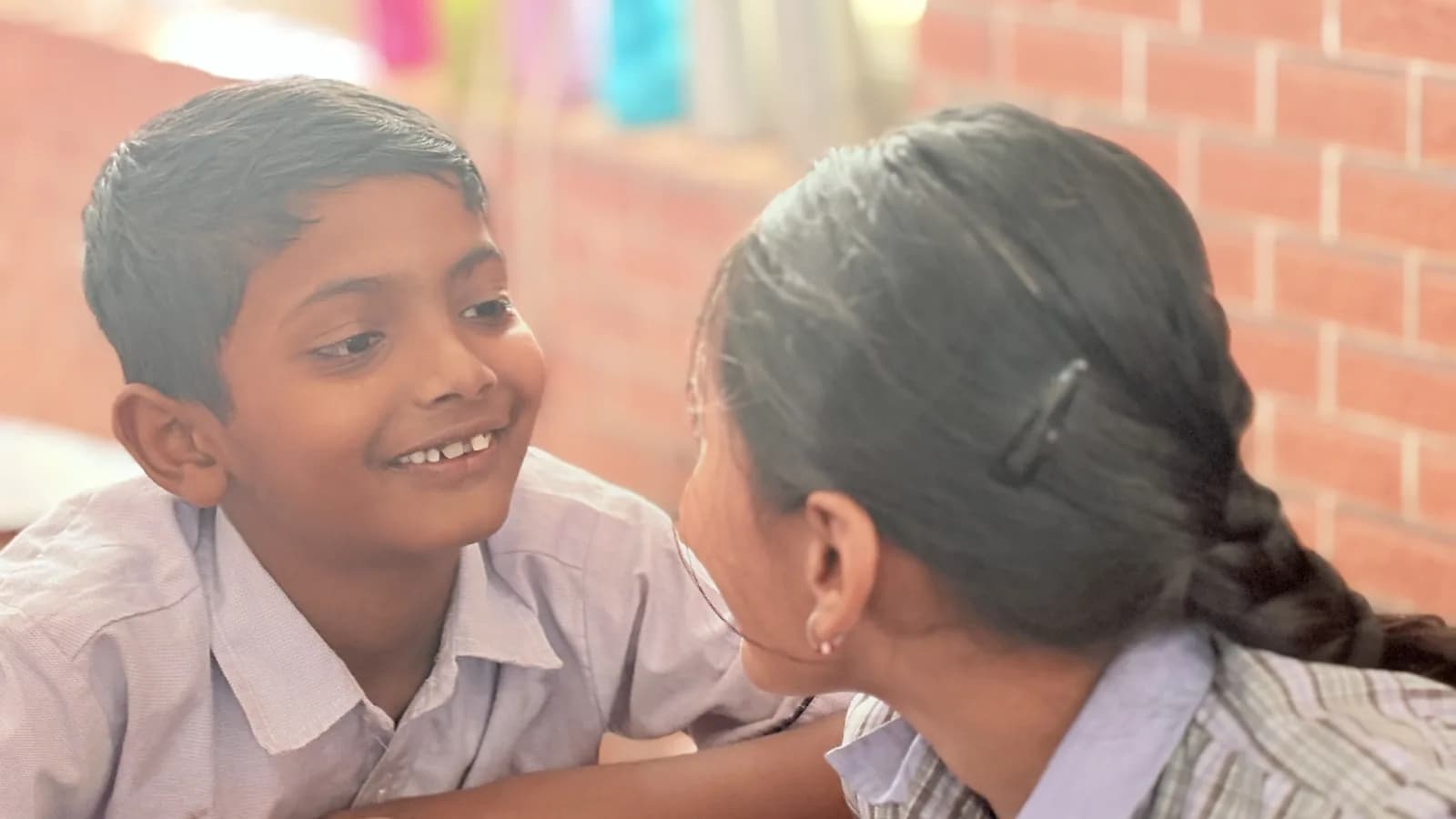
Every Saturday, student council members from our Class 11 visit the primary school in Kishundaspur that Udaya has adopted. They run English-speaking activities, cultural sessions and games-based lessons for the younger children. The visits began last session and are continuing this year.
The observer who wrote about the programme for this blog, in When Minds Meet: Learning Beyond Resources, noticed that many of the primary children believed ability came from having facilities. Because they lacked modern tools, they underestimated themselves.
What changed that was encouragement and exposure. Our students learnt that a child starts to believe in themselves when an older student listens to them, waits for them to finish a sentence in English, and treats their answer as worth hearing.
The learning goes both ways. The council members do not just teach. They listen, adapt, and learn empathy, and the younger children begin to believe that their voices matter.
Why We Think This Is the Point
Service done for a photograph teaches students that service is a performance. Service done every week, when nobody is watching, teaches them something closer to what Gandhi meant: that being useful to someone else is ordinary work, not a special occasion.
The posters, the speech and the garland are how we remember him together. The Saturdays are how we try to take him seriously. The day matters because of what happens on the other 364.
Marking the Day at Home
2 October is a holiday, so most children will be at home. If you would like the day to mean something more than a day off, here are a few things that cost nothing and take an hour or less:
- Do one useful job together. Clean a shared space in your building or lane, or sort clothes and books to give away. Let your child decide where they go.
- Make something by hand. Mend, sew, plant or cook something from start to finish. Nai Talim began with the idea that hands learn too.
- Read his words, not about him. Pick a short passage from his autobiography, The Story of My Experiments with Truth, and read it aloud. Ask your child whether they agree with it. Disagreement is allowed.
- Spend a day without buying anything. Older children often find this harder than they expect, and it starts a good conversation.
- Ask who helps your family every day. The guard, the driver, the vendor, the cleaner. Then ask your child what they know about that person's life.
None of these needs a stage. All of them are close to what he asked for.
Beyond the Classroom
Community work is one part of student life here. Our Beyond Academics page describes the clubs and programmes, including the Heritage Club, which takes students out into Ayodhya itself. Our post on connecting students with the living heritage of Ayodhya covers that work in more detail.